
Collagen during pregnancy: safety, benefits, and usage
Collagen supplementation during pregnancy is generally considered safe and can support skin elasticity, joint comfort, and connective tissue integrity. Hydrolysed collagen holds FDA GRAS status and is digested like any other dietary protein, supplying amino acids the body needs for the increased protein synthesis that pregnancy demands. Large-scale pregnancy-specific randomised controlled trials are still lacking, so most obstetricians do not contraindicate it but do recommend a personalised conversation with your healthcare provider before starting. A study found that collagen supplementation twice daily in the third trimester and postpartum improved physical health, wound healing, and quality of life. The key points at a glance:
- Collagen supports skin, ligaments, the pelvic floor, and connective tissue throughout pregnancy.
- Hydrolysed collagen is the most bioavailable form and the safest choice for supplementation.
- Recommended doses typically range from 5 to 10 grams per day for powders, with lower doses for capsules, and advice to exercise extra caution in the first trimester.
- Avoid products containing added herbs, high-dose vitamin A, or artificial additives.
- Choose brands with third-party testing certificates to minimise heavy metal exposure.
- Always discuss supplementation with your midwife or GP before starting.
Table of Contents
- What are the health benefits of collagen during pregnancy?
- Which types and sources of collagen are safe during pregnancy?
- How to use collagen supplements safely during pregnancy
- What do experts say about collagen supplementation for pregnant women?
- How does collagen function at the maternal-fetal interface?
- How does collagen production change naturally during pregnancy?
- What are the signs of collagen deficiency or related complications in pregnancy?
- Nu Sante Nutrition collagen gummies: a convenient option for pregnancy support
- Key takeaways
What are the health benefits of collagen during pregnancy?
Collagen is the most abundant structural protein in the human body, making up the framework of skin, tendons, ligaments, cartilage, and the uterus itself. During pregnancy, your body places extraordinary demands on these tissues as your abdomen expands, your joints soften, and your pelvic floor takes on greater load. Supplementing with collagen provides the specific amino acids your body needs to meet that demand.
The three amino acids in hydrolysed collagen, glycine, proline, and hydroxyproline, are the primary building blocks for connective tissue synthesis. Radiolabelled collagen peptides have been shown to accumulate in skin, cartilage, and connective tissue after supplementation, confirming that these amino acids reach the tissues where they are most needed.
The benefits extend beyond skin. Joint pain and pelvic girdle discomfort are common complaints from the second trimester onwards, and collagen peptides have been shown to support cartilage integrity and reduce joint discomfort in clinical settings. The protein content of collagen also slows gastric emptying, which can help stabilise blood sugar levels between meals, a practical benefit given the metabolic shifts pregnancy brings.
Key benefits supported by clinical and mechanistic evidence:
- Skin elasticity and hydration: Collagen peptides improve dermal thickness and moisture retention, reducing the likelihood of stretch marks.
- Joint and pelvic girdle support: Amino acids support cartilage repair and ligament resilience as the body adapts to pregnancy weight.
- Pelvic floor integrity: Glycine and proline contribute to the connective tissue that supports the pelvic floor during and after birth.
- Wound healing: Collagen supplementation postpartum supports tissue repair, particularly relevant after caesarean sections or perineal tears.
- Blood sugar stability: The protein load from collagen slows gastric emptying, moderating post-meal glucose spikes.
Pro Tip: Taking collagen alongside a vitamin C source, such as a small glass of orange juice or a kiwi, supports the hydroxylation of proline into hydroxyproline, making the amino acids more effective for connective tissue synthesis.
Which types and sources of collagen are safe during pregnancy?
Not all collagen products are equal, and the source matters considerably when you are pregnant. The three main types available as supplements are bovine (from cattle), marine (from fish skin and scales), and hydrolysed collagen peptides derived from either source. Hydrolysed collagen has a smaller molecular weight than intact collagen protein, which means it is absorbed more effectively and accumulates in skin and connective tissues more efficiently.
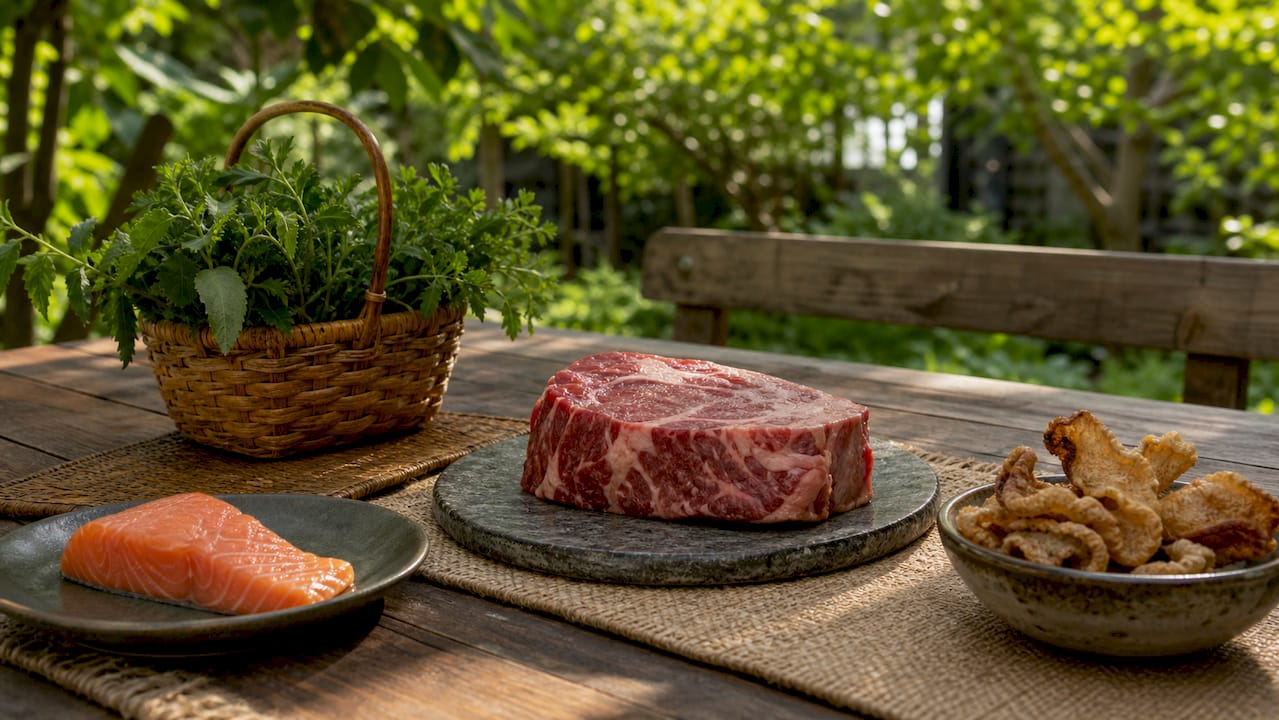
Bovine collagen is the most widely available form in the UK. It is rich in Type I and Type III collagen, both of which are found in skin, tendons, and the uterine wall. Women with beef sensitivities should avoid it. Marine collagen is predominantly Type I and tends to have a slightly smaller peptide size, but it carries a risk for anyone with a fish or shellfish allergy. If you have any known food allergy, check the source carefully before purchasing.
The safest and most straightforward dietary route is through whole foods. Bone broth, slow-cooked cuts of meat, gelatin-based foods, and quality protein sources all provide the amino acids your body uses to produce collagen naturally. Pairing these with vitamin C-rich foods such as bell peppers, strawberries, and citrus supports endogenous collagen synthesis without any supplementation risk.
When choosing a supplement, the following points apply:
- Avoid added botanicals: Herbs such as ashwagandha, ginseng, or high-dose herbal blends have not been tested for pregnancy safety and should not appear in your collagen product.
- Check the vitamin content: Some collagen blends include vitamin A or vitamin E at doses that may be unsafe during pregnancy. Stick to plain hydrolysed collagen peptides.
- Prioritise third-party testing: Look for NSF International or USP certification on the label. These indicate independent verification of purity and ingredient accuracy.
- Bone broth as a food-first option: Homemade or quality commercial bone broth provides collagen-supporting amino acids alongside minerals, with no additives to worry about.
How to use collagen supplements safely during pregnancy
The recommended dose for hydrolysed collagen powder during pregnancy typically ranges from 5 to 10 grams per day, with lower doses for capsules, reflecting standard supplementation advice. Higher doses may push total protein intake beyond recommended limits and could place additional strain on kidney function or affect blood pressure, so staying within this range is sensible. Capsule forms generally deliver lower amounts per serving, which can be appropriate if you are cautious about total intake.

The first trimester warrants particular care. The embryo is at its most sensitive early in pregnancy, and while there is no evidence that collagen peptides are harmful at this stage, the absence of trimester-specific trial data means a cautious approach is wise. Many practitioners suggest waiting until the second trimester before starting supplementation, or at minimum discussing it with your midwife first.
Pro Tip: Collagen powder dissolves easily in warm drinks, porridge, or smoothies. Avoid adding it to very hot liquids above 70°C, as excessive heat can degrade the peptides before absorption.
Practical safety guidelines:
- Stick to plain hydrolysed collagen: No added herbs, no proprietary blends, no high-dose vitamins.
- Check for heavy metal testing: Third-party certificates of analysis confirm that lead, mercury, and cadmium levels are within safe limits. Pregnancy increases vulnerability to heavy metals.
- Consider timing with prenatal vitamins: Collagen is a protein and does not compete with mineral absorption the way some supplements do, but spacing it a couple of hours from iron supplements avoids any potential interaction.
- Watch for allergic reactions: Hives, swelling, or digestive upset after starting a new collagen product warrant stopping immediately and contacting your GP.
- Report side effects promptly: Any unusual symptom after starting supplementation should be discussed with your healthcare provider without delay.
Collagen supplements are not regulated as medicines by the MHRA, which means label accuracy and contaminant levels vary between brands. Seeking products with NSF or USP certification is the most reliable way to verify what you are actually taking.
What do experts say about collagen supplementation for pregnant women?
The professional consensus is measured rather than enthusiastic. Dr Layan Alrahmani, a maternal-fetal medicine specialist, notes that collagen is likely safe but stresses that the absence of definitive pregnancy-specific randomised controlled trials means individual clinical judgement remains paramount. That position reflects the broader view among OB-GYNs and nutritionists: collagen is not contraindicated, but it is not a clinical necessity either.
Collagen is not a complete protein. It lacks tryptophan, one of the nine essential amino acids, so it cannot replace the full-spectrum protein you get from eggs, meat, fish, dairy, or legumes. Whole-food protein should always come first. Collagen supplementation makes most sense as a targeted addition for connective tissue support, not as a general protein top-up.
Individual health history also shapes whether supplementation is appropriate. Women with chronic kidney conditions, hypertension, or a history of pregnancy complications should discuss collagen with their specialist before starting. Those with prior pelvic floor dysfunction or recurrent joint problems may find the amino acid support particularly relevant, but again, that conversation belongs with a clinician.
Key expert-informed considerations:
- No large-scale RCTs in pregnancy: The safety profile is reassuring mechanistically, but direct trial evidence in pregnant populations is limited.
- Relaxin increases collagen demand: The hormone relaxin softens ligaments throughout pregnancy, raising the body’s need for collagen amino acids to maintain connective tissue quality.
- Whole food first: Bone broth, quality meats, and gelatin-rich foods provide collagen amino acids without the uncertainty of supplement additives.
- Manufacturer transparency matters: Choose brands that publish their certificates of analysis and source their collagen from traceable, reputable suppliers.
- Personalised assessment is the standard: No single dosing or timing recommendation applies universally. Your midwife or GP is the right person to advise on your specific situation.
How does collagen function at the maternal-fetal interface?
Collagen plays a structural and signalling role at the maternal-fetal interface that goes well beyond skin and joints. The placenta, decidua, and fetal membranes all contain collagen networks that maintain tissue integrity, regulate permeability, and support the mechanical demands of a growing pregnancy. Research published in PMC confirms that collagen at the maternal-fetal interface is actively remodelled throughout gestation, with different collagen types contributing to distinct structural functions at each stage.
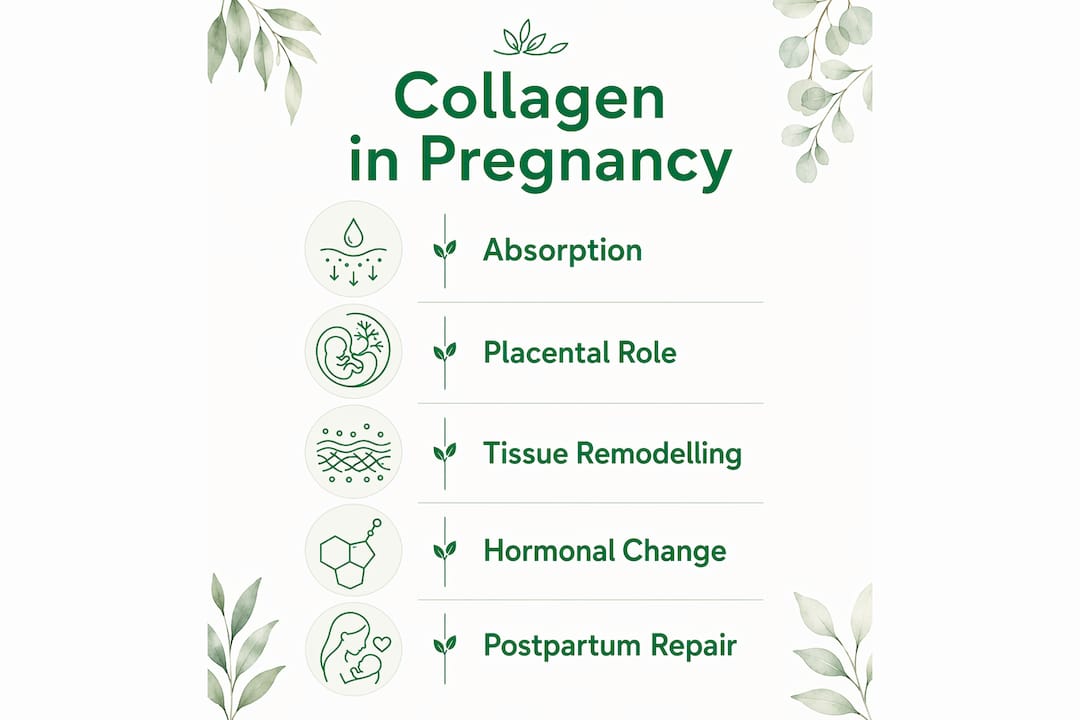
Type IV collagen forms the basement membrane of placental villi, providing the scaffold through which nutrients and gases are exchanged between maternal and fetal circulation. Type I and Type III collagen are present in the decidua and fetal membranes, where they resist the mechanical stress of uterine expansion. Disruption to these collagen networks has been associated with complications including preterm premature rupture of membranes.
Connective tissue remodelling is not a passive process. Matrix metalloproteinases, enzymes that break down collagen, are tightly regulated throughout pregnancy to allow controlled tissue expansion without compromising structural integrity. The amino acids supplied by dietary or supplemental collagen contribute to the substrate pool available for this ongoing remodelling, particularly during the rapid growth phases of the second and third trimesters.
How does collagen production change naturally during pregnancy?
Pregnancy alters collagen metabolism in ways that are both protective and challenging. Oestrogen, which rises sharply in the first trimester, stimulates collagen synthesis and helps maintain skin thickness and elasticity during early pregnancy. This is one reason why many women notice improved skin quality in the first half of pregnancy.
As pregnancy progresses, the hormone relaxin increases alongside progesterone, and the balance shifts. Relaxin actively loosens collagen cross-links in ligaments and the cervix to prepare the body for birth. This is a necessary and well-regulated process, but it also means that the structural collagen holding joints and connective tissue together becomes more pliable and potentially more vulnerable to strain. The increased mechanical load of a growing uterus compounds this effect.
By the third trimester, collagen turnover is at its highest. The uterus itself undergoes dramatic remodelling, with collagen fibres reorganising to allow the cervix to efface and dilate at term. Skin collagen is simultaneously under significant stretch, particularly across the abdomen, breasts, and thighs. The body’s demand for glycine, proline, and hydroxyproline rises accordingly, which is the physiological basis for the argument that supplementation may help bridge any dietary shortfall during this period.
Postpartum, collagen synthesis shifts again towards repair. Perineal tissue, the uterus, and abdominal skin all require collagen remodelling to recover, which is why the clinical study referenced earlier found benefits from supplementation continuing into the postpartum period.
What are the signs of collagen deficiency or related complications in pregnancy?
Collagen deficiency as a clinical diagnosis is rare and usually associated with genetic connective tissue disorders such as Ehlers-Danlos syndrome or Marfan syndrome. In the context of pregnancy, the more relevant concern is suboptimal collagen quality or turnover rather than frank deficiency, and the signs tend to be functional rather than dramatic.
Joint hypermobility and pain are among the most common presentations. When collagen cross-linking is insufficient to maintain ligament stability, joints become excessively mobile and painful, particularly the sacroiliac joints and symphysis pubis. Pelvic girdle pain affects a meaningful proportion of pregnant women and is partly a collagen-mediated phenomenon, worsened by relaxin’s effect on already compromised connective tissue.
Skin changes can also signal that collagen turnover is not keeping pace with demand. Stretch marks form when the dermis tears under rapid expansion, a process that is more likely when skin collagen content is low or poorly cross-linked. While genetics play the dominant role in stretch mark susceptibility, nutritional status, including adequate protein and vitamin C intake, influences the skin’s capacity to stretch without tearing.
Prolonged wound healing after birth, whether from a perineal tear, episiotomy, or caesarean section, can reflect inadequate collagen synthesis. Women with poor nutritional status or very low protein intake may notice slower tissue repair postpartum.
Women with diagnosed connective tissue disorders should discuss pregnancy management with a specialist team, as the hormonal changes of pregnancy can significantly affect their collagen-related symptoms. For everyone else, maintaining adequate protein intake, vitamin C, and zinc provides the nutritional foundation for healthy collagen production throughout pregnancy and recovery.
Nu Sante Nutrition collagen gummies: a convenient option for pregnancy support
Choosing a collagen supplement during pregnancy means prioritising quality, simplicity, and transparency. Nu Sante Nutrition’s Collagen Gummies offer a straightforward alternative to powders and capsules, with no measuring, no mixing, and no unpleasant aftertaste. For women who find large capsules difficult to swallow during pregnancy or who simply want a supplement that fits into a busy day without effort, the gummy format removes a genuine practical barrier.
Nu Sante Nutrition formulates its gummies with quality ingredients and without the unnecessary additives that make many collagen blends unsuitable during pregnancy. The range is designed for people who want their health routine to be simple and consistent, not complicated. As with any supplement during pregnancy, always confirm suitability with your midwife or GP before starting. Browse the full Nu Sante Nutrition range to find the option that fits your routine.
Key takeaways
Collagen supplementation during pregnancy is generally safe, most useful as a targeted connective tissue support, and always secondary to a balanced, protein-rich diet.
| Point | Details |
|---|---|
| Safety profile | Hydrolysed collagen holds FDA GRAS status and is digested like dietary protein, with no known contraindication in pregnancy. |
| Recommended dose | 5 to 10 grams per day for powder forms, lower for capsules; approach the first trimester with extra caution. |
| Quality matters | Choose third-party tested products with NSF or USP certification to avoid heavy metal contamination. |
| Food first | Bone broth, gelatin, and quality protein sources provide collagen amino acids without supplement risk. |
| Nu Sante Nutrition | Collagen Gummies from Nu Sante Nutrition offer a simple, additive-free format suited to busy pregnancy routines. |